
Mahjong Is Having a Moment. Here's Why Everyone's Playing.
October 26, 2026
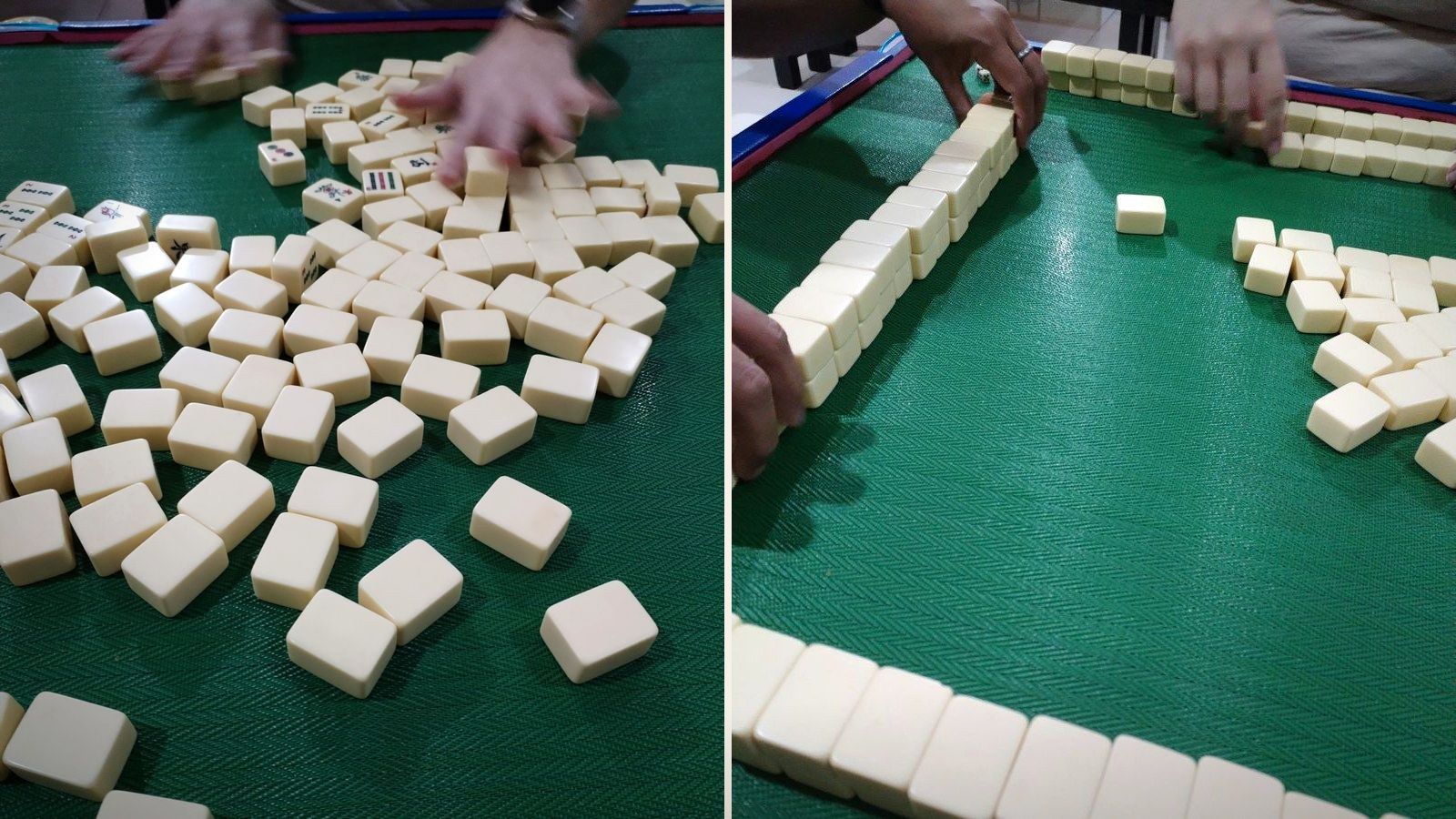
Somewhere between the third pandemic board game night and the fifteenth "we should do something that isn't just dinner," mahjong showed up. And it stuck.
It's trending on TikTok. New sets are selling out. Mahjong clubs are popping up in cities that never had them. And if your social feed hasn't suggested a mahjong tutorial yet, give it a week.
But this isn't a fad. Mahjong has been one of the most-played games in the world for over a century. What's new is who's discovering it.
Why mahjong, why now
The short answer: people are hungry for in-person social games that aren't trivia night. Mahjong hits a sweet spot that almost nothing else does. It's strategic enough to keep sharp players engaged, social enough that the table talk is half the point, and tactile in a way that screens can't match. There's something about the sound of tiles that a phone will never reproduce.
The longer answer involves a few trends colliding at once. The tabletop gaming boom made people comfortable learning new rulesets. Social media made it easy to see other people playing and think I could do that. And a wave of modern, design-forward mahjong sets, the kind you'd actually leave on your coffee table, removed the intimidation factor for newcomers.
It's a social game that rewards you for paying attention
Most social games are either pure luck (no skill to develop) or pure strategy (awkward silence while everyone thinks). Mahjong sits right in between. You're reading the table, deciding what to keep and what to throw, and watching what everyone else is discarding.
That last part is what hooks people. In mahjong, every tile someone else throws tells you something. Are they building a flush? Chasing a big hand? Playing it safe? You start noticing patterns, and then you start making better decisions because of what you noticed. It's social and strategic at the same time, which is hard to find in a game.
It's also one of the few games where the table develops its own culture. House rules, rituals, who sits where, the unspoken agreement about stakes. Every group plays a little differently, and that's part of what makes your table yours.
The beginner problem nobody talks about
Here's the catch: mahjong has a learning curve, and most people learn it badly.
The typical path goes like this. Someone's tita or auntie teaches you just enough rules to sit down. You play for six months, maybe years, and you never figure out why you keep losing to the same person. You know how to build a hand, sort of. You have no idea what defensive play is. You've never once thought about what you're feeding the table.
This isn't a knowledge problem. It's a feedback problem. You play, you win some, you lose more, but you never track what's actually happening across sessions. Was that a bad night or a bad habit? Are you chasing pretty hands and paying for them? You'd know if you looked at the data, but nobody writes it down.
What tracking your play actually looks like
The players who improve fastest aren't the ones who play the most. They're the ones who notice things.
Things like: you've been throwing the same dangerous tiles in mid-game for weeks. Or you fold too early when you're actually in a good position. Or your net over the last twelve sessions has been negative and trending worse, which means something in your game is leaking, even if any single session feels fine.
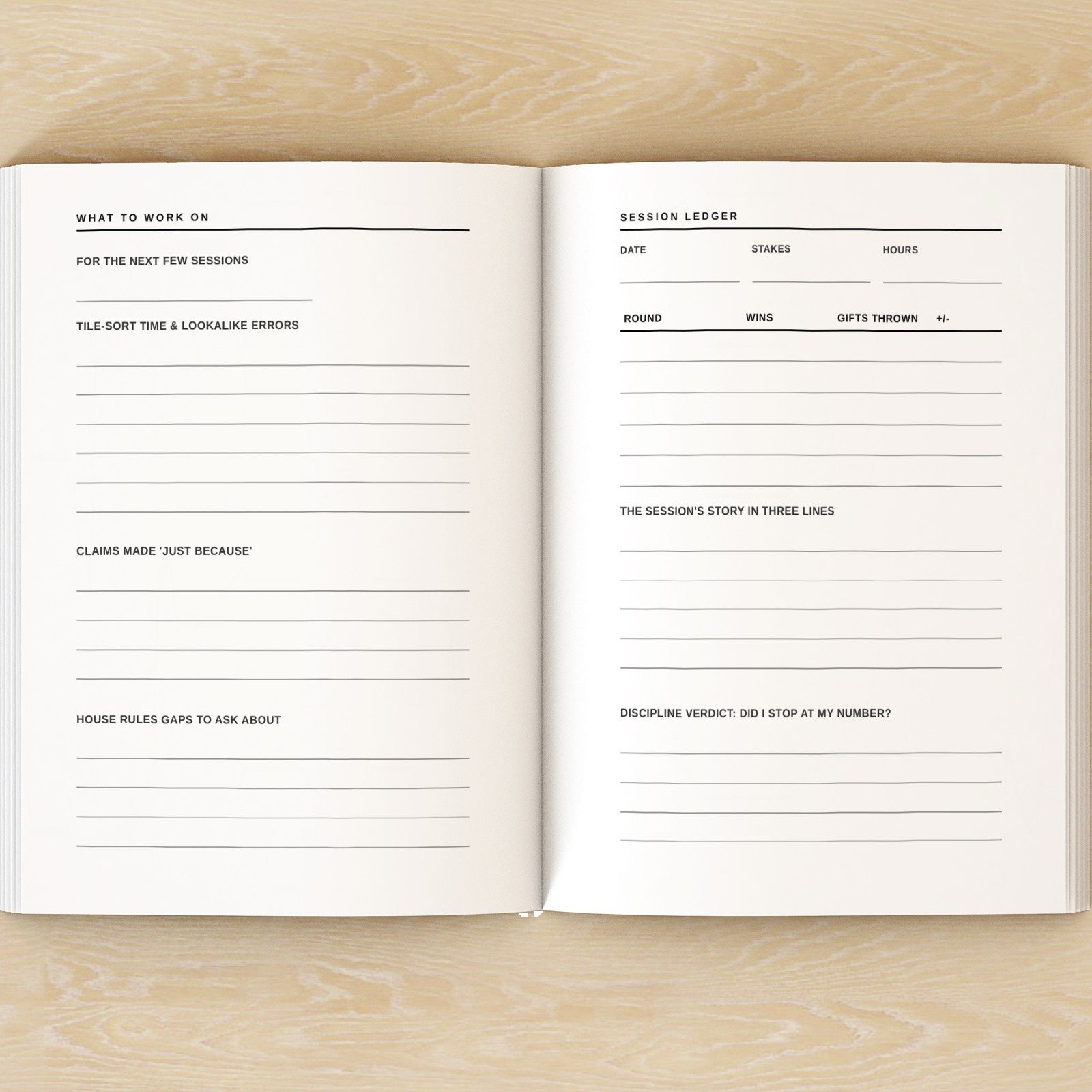
You don't need software for this. You need a page after each session where you write down: what you focused on, what hands you built, what you waited on, and what actually happened. Do that twelve times and patterns appear that you'd never see otherwise.
A journal built for this exact thing
If you're looking for a structured way to track your play, not just scores but what you're learning, that's what Mahjong, Properly is built for. It's a 100-page guided practice journal with three levels, from learning the tiles to sharp defensive play. Hand trackers, session ledgers with a running net column, and veteran's notes pages for when the shark at your table actually tells you something useful.

Getting started if you're new
If you've been curious about mahjong but haven't sat down yet, here's what to know.
Find a table first, rules second. Mahjong is learned by playing, not by reading. Find a friend, a club, or a local group and ask to sit in. Most players love teaching newcomers because it means they get a fourth.
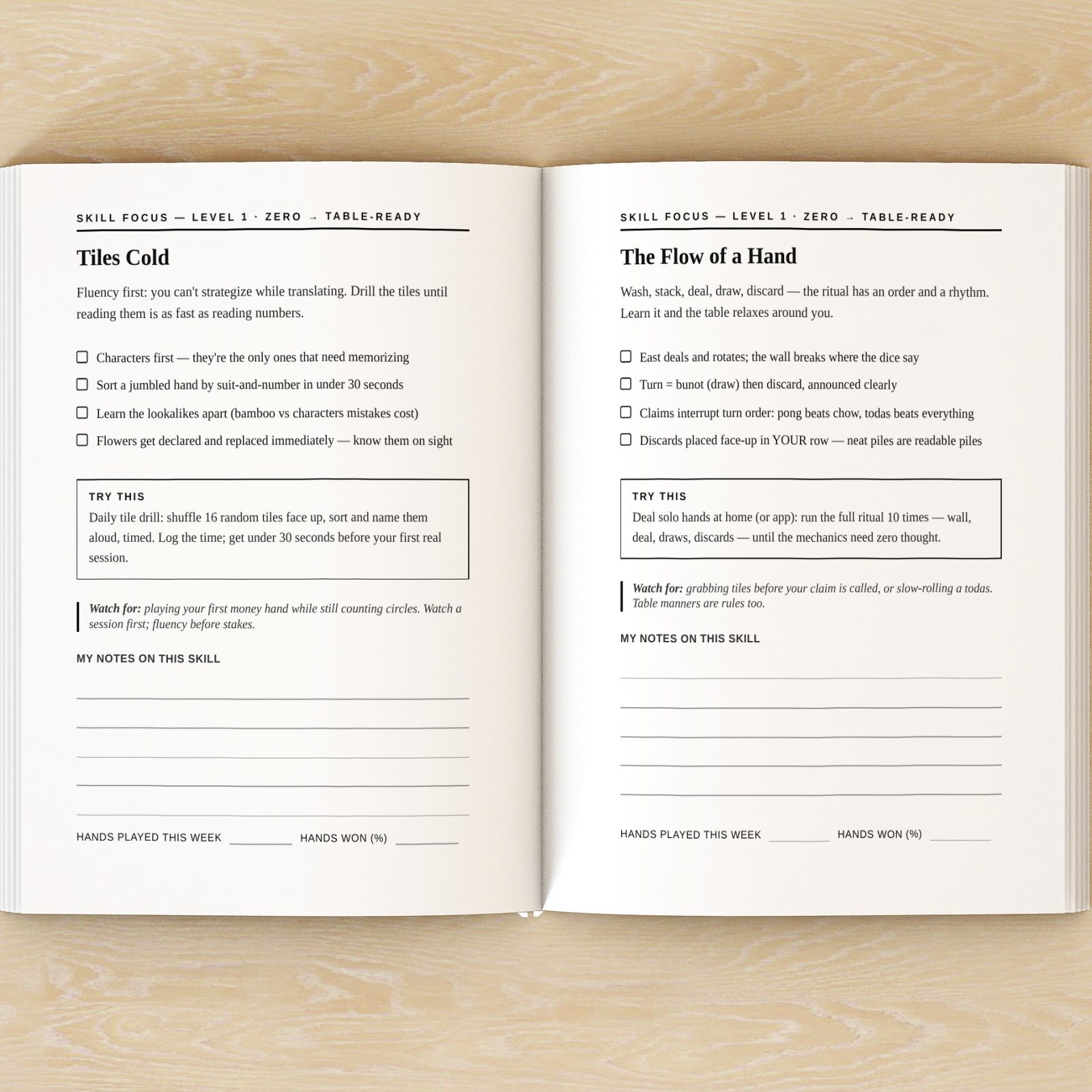
Learn the tiles before you learn strategy. Know the suits, know the honors, know the flowers. This takes one sitting. Everything else builds on it.
Accept that you'll lose. A lot. For a while. That's normal and it's fine. The game is fun even when you're losing, which is rare for a strategy game.
And watch what other players discard. This is the single most important habit to build early. Most beginners stare at their own hand. The information is on the table.
Where to find a mahjong social in Manila
The fastest way to learn is at a table with people who need a fourth. Metro Manila now has a handful of groups running open-play nights and beginner-friendly socials, so you don't have to wait for a family reunion to get a seat.
Here are four to follow on Instagram:
- Mahjong Mania (@mahjongmania.ph)
- The Mahjong Bar (@themahjongbar)
- Rules and Roles (@rulesandroles)
- 13 Orphans Mahjong Club (@mahjong13orphans)
Schedules and venues change from week to week, so check each account's latest posts and highlights for dates, how sign-ups work, and whether the session is open to beginners.
And if you'd rather start small, bring three friends. A table of four is all a social really is.
The game has been around for a long time. The people discovering it now aren't late. They're arriving at the right moment, when it's easier than ever to find a group, grab a set, and sit down.
The only question is whether you'll be the easy seat or the one everyone's watching.